We've all been there at the school gates. You want to ask a question about a new policy, or perhaps you have some constructive feedback about how a school trip was organized. But then, the social hesitation kicks in. "Will this make things awkward with the teacher?" "Will it affect how my child is treated in class?"
It's a completely natural human reaction. Because our school communities are so close-knit, we often hold back our honest thoughts to avoid social friction.
That is why safe, anonymous feedback is such a game-changer. Far from being a shield for negativity, a secure, anonymous space is actually one of the most powerful tools we have to build trust, improve teaching, and make our schools better for everyone.
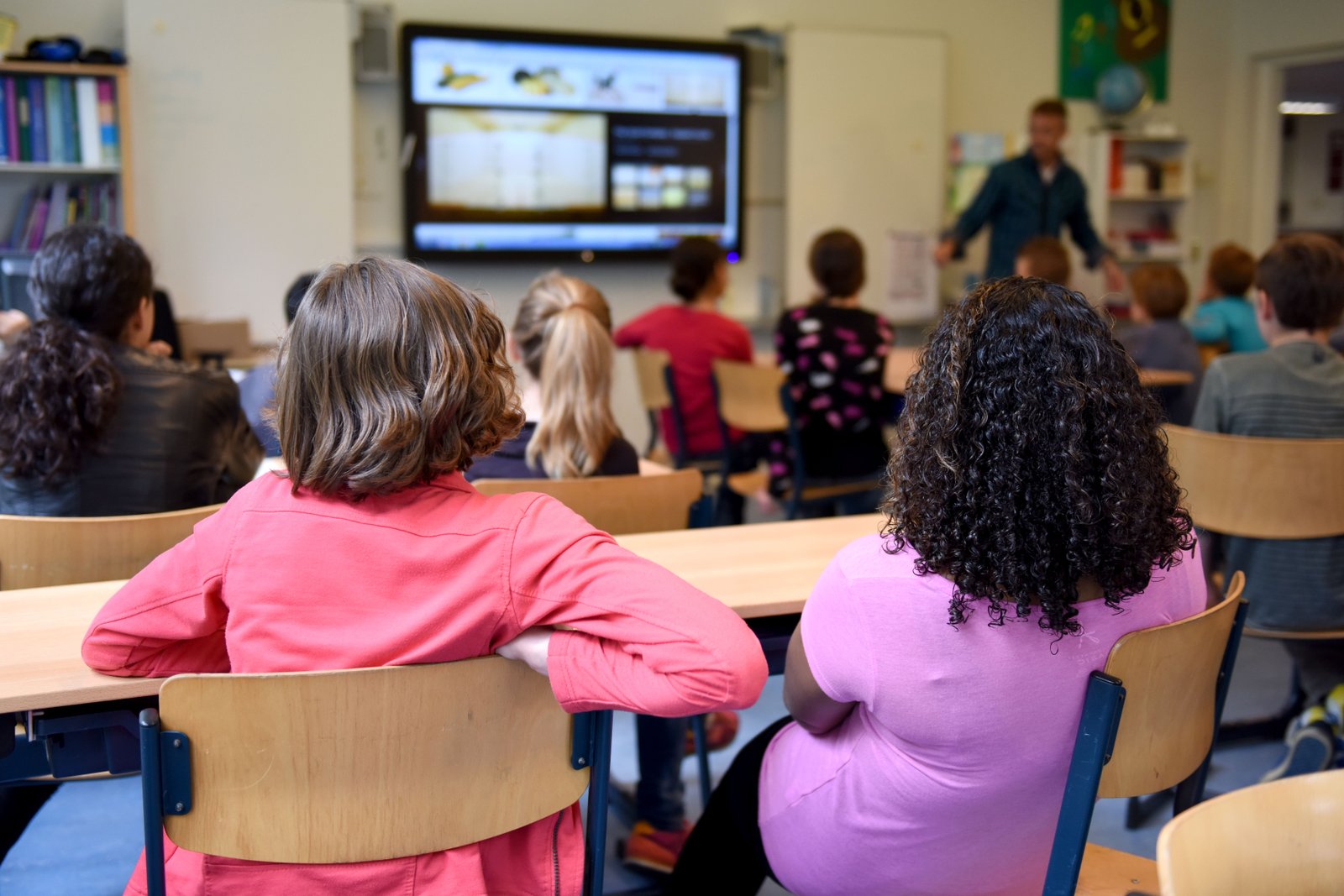
Anonymous feedback creates a safe space for honest conversations
Let's look at the science of why anonymity works, and how it protects parents, students, and teachers alike.
1. It Levels the Playing Field for Shy or Anxious Students
In a traditional classroom, a tiny fraction of students usually dominates the conversation. For students who struggle with anxiety, those learning English as a second language, or those with additional needs, speaking up publicly is incredibly daunting.
Educational research shows that when students are given a secure, anonymous way to contribute:
- Anxiety drops dramatically: Students report feeling far more relaxed when they aren't afraid of getting an answer "wrong" or facing ridicule from peers.
- Participation skyrockets: In a study on digital response systems in classrooms, researchers found that offering anonymity led to a massive increase in student engagement compared to a traditional "hands-up" approach.
When we remove the fear of public embarrassment, we finally get to hear from every child, not just the loudest ones.
2. It Protects Parents and Staff from Social Friction
For parents, the school community is a major part of daily social life. This closeness is wonderful, but it makes speaking up about concerns highly sensitive.
Research into feedback dynamics shows that when anonymity is absent, people often withhold critical thoughts simply because they "don't want to displease" those in authority. Parents worry about a subtle backlash against their kids, and teachers worry about awkward staffroom politics if they voice a concern about school operations.
Anonymity acts as a buffer. It separates the message from the messenger. By taking personal identities out of the equation, parents can share constructive insights, and teachers can suggest school improvements, entirely free of social awkwardness.
3. It Helps Teachers and Schools Grow
Great educators want to know what's working and what isn't. But getting a clear picture is difficult when everyone is just polite.
Anonymous feedback gives teachers clear, actionable insights
Better insights, better teaching: Studies show that anonymous course evaluations provide teachers with the most honest, actionable insights to adapt their teaching styles and better meet their students' needs.
No, it doesn't turn into a "complaint fest": A common fear is that anonymity leads to unprofessional or offensive comments. However, research tracking student feedback surveys found that when given anonymous channels, the vast majority of participants remain highly respectful, constructive, and focused on genuine improvement.
When done right, anonymity doesn't tear down school communities—it builds them up by giving school leaders the real, unfiltered data they need to celebrate staff successes and fix hidden issues early.
🔒 How We Do It at School Sentiment
We believe that honest, constructive feedback is a superpower. That's why on School Sentiment, reviews are always 100% anonymous. We've designed a secure, passwordless space where you can share your real experiences to help other families and support local schools—without any of the gate-line friction.
Sources:
- Easton, C. (2003) & Love, P. (2003) / Ziplet Research: On how anonymity levels the playing field and encourages quiet or anxious cohorts to participate.
- Miyazoe, T., & Anderson, T. (2011) / FeedbackFruits: On how pseudonym-based and anonymized activities relieve interpersonal burdens and produce higher-quality critical feedback.
- Zou, D. & Lambert, J. (2016): On student-to-teacher feedback and the natural hesitation to displease instructors without anonymity.
- Tucker, B. (2014): Research showing that anonymous feedback channels remain overwhelmingly respectful and constructive.